







Search Results for: Osmanthus Cold Brew
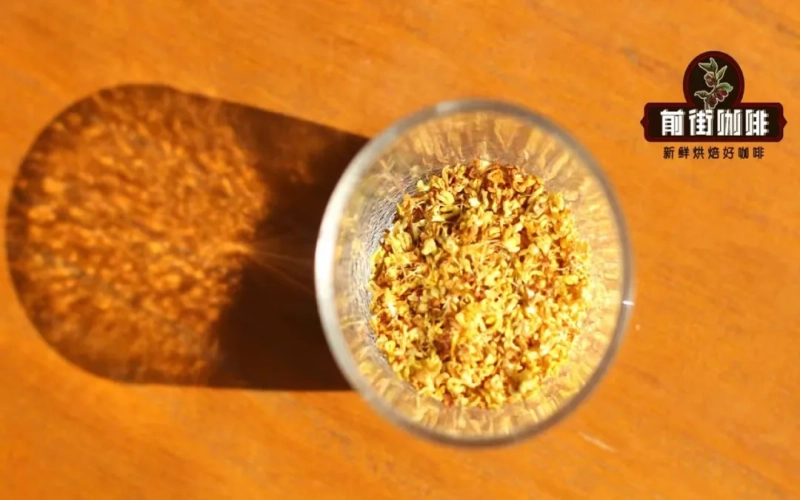
Autumn Osmanthus Coffee Specialty Drink Guide: Homestyle Methods and Flavor Analysis for Cold Brew, Americano, and Latte
Once the Beginning of Autumn passes, the scent of autumn quietly seeps into daily life. Just as summer belongs to coconut coffee, autumn has its own signature flavor—osmanthus. This time, Front Street Coffee is bringing out all its treasured osmanthus coffee recipes, including three special creations: osmanthus cold brew, osmanthus americano, and osmanthus latte. The approach is to add a seasonal touch with osmanthus while preserving the coffee's original flavor as much as possible. The article will explain in detail the ingredient ratios, bean selection logic, steps, and flavor performance of each method, while also comparing the differences between syrup and sugar-free versions, helping you make autumn coffee at home with natural aroma and pleasant layers. [more…]

The Complete Guide to Making Cold Brew Coffee: Bean-to-Water Ratio, Grind Size, and Blend Selection
To make a cup of full-bodied, well-balanced cold brew at home, bean selection and parameters are equally key. Starting from the extraction principles of cold brew, this article explains specific brewing parameters in detail, such as a 1:12 coffee-to-water ratio and an 85% pass rate through a No. 20 sieve, and recommends coffee beans suitable for cold brew by flavor type: from washed beans from African regions such as Kenya and Ethiopia, to sun-dried beans with soft fruit tones, to concrete-flavored blends such as Strawberry Candy and Butterfly, as well as chocolate-toned options from medium-dark and dark roasts. Finally, it shares a little trick—adding dried osmanthus or jasmine flowers to give the cold brew an extra layer of delicate floral aroma. Whether you prefer bright fruity acidity or rich cocoa, you can find the cup that suits you. [more…]
Cold Brew Coffee Guide: Full Breakdown of Coffee-to-Water Ratio, Grind Size, Steeping Time, and Coffee Bean Selection
Cold brew coffee, through its low-temperature slow extraction process, presents a soft acidity and bitterness with a full, balanced mouthfeel, and its operational threshold is not high. Based on 50 grams of coffee grounds, this article explains key parameters in detail, such as a 1:12 coffee-to-water ratio, an 85% grinding pass rate, and 12-24 hours of refrigerated steeping, and systematically sorts out the bean selection approach for different flavor preferences—from the bright fruity acidity of washed African beans, to the soft sweetness of natural beans, to the vivid aromas of special processing methods, and the chocolate-caramel notes of medium-dark roasts. In addition, it also shares advanced methods such as adding dried flowers like osmanthus and jasmine to enhance flavor, helping coffee lovers make a cup of iced cold brew to their liking in summer. [more…]
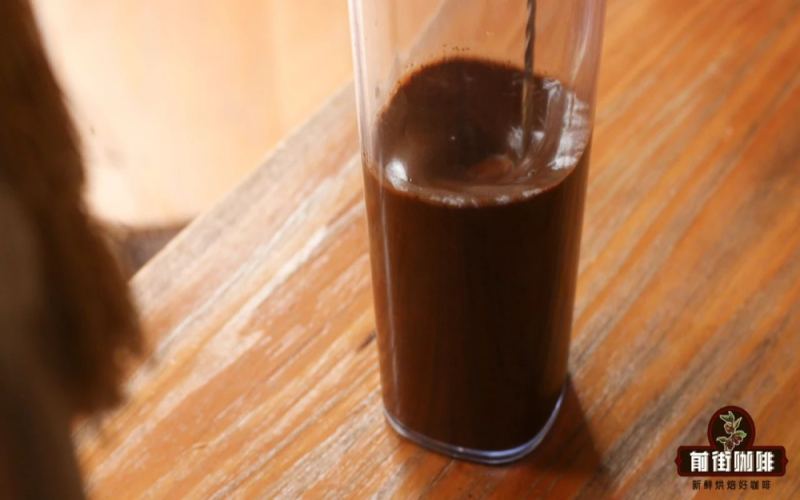
The Complete Guide to Choosing Beans for Cold Brew Coffee: From Fruity and Floral to Dark Roast, an Easy-to-Master Brewing Approach for Beginners
Cold brew coffee, through its unique low-temperature slow extraction method, reduces acidity and bitterness while locking in aroma, resulting in a fuller and more balanced taste. But with such a dazzling array of coffee beans, how should beginners choose? This article draws on the daily experience of Front Street Coffee baristas to systematically sort out the logic of bean selection by flavor type: those who prefer bright fruity acidity can choose washed beans from Kenya, Ethiopia, and the like, such as Front Street Little Tomato and Front Street Fruit Ding Ding; those who like softer fruity notes are recommended sun-dried Front Street Flower Queen and Front Street Red Cherry; those who want to try specific aromas will find specially processed beans such as Front Street Strawberry Candy and Front Street Xizhua to be good choices; and if you do not like acidity, medium-dark roasted Front Street Queen's Manor, Front Street Bird of Paradise, and even dark-roasted Front Street PWN Golden Mandheling can satisfy you. In addition, the article also shares a little trick—adding a small amount of dried osmanthus or jasmine flowers can give cold brew an extra touch of delicate floral fragrance. [more…]

How do you make cold brew coffee taste great? Master the three key parameters: grind size, coffee-to-water ratio, and steeping time.
Cold brew, put simply, is made by mixing ground coffee with water and letting it sit in the refrigerator. The barrier to entry isn't high. So why does the cold brew so many people make always come out thin and flavorless? The problem usually lies in imprecise parameters. Grind size, coffee-to-water ratio, and steeping time—these three variables directly determine the strength and flavor direction of a cup of cold brew. Grind too coarse and the flavor won't extract; add too much water and the concentration gets diluted; not enough time and the compounds won't dissolve sufficiently. This article will break down how to set these three core parameters one by one, and offer guidance on choosing beans—for a juicy character, choose a light roast; for more concrete, vivid flavors, choose a heavily fermented process; for a heavier mouthfeel, choose a medium-dark or dark roast. I'll also share a little trick: dark-roast beans with osmanthus. [more…]
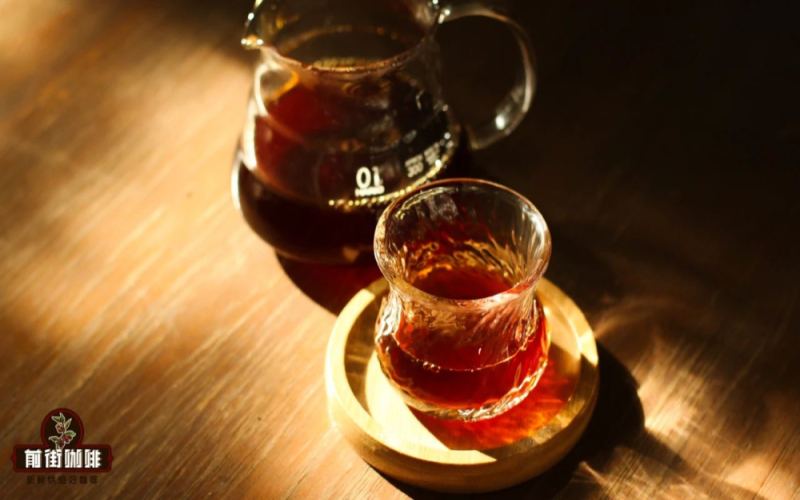
How to Taste the Floral and Fruity Notes of Light Roast Coffee, with a Recommended List of Five Floral-Flavored Coffee Beans
In the world of specialty coffee, fruity and floral notes are arguably the most fascinating yet most confusing flavor labels. Many people who are just getting into coffee often wonder: why is it that others talk about white florals, tropical fruit, and citrus notes, while they themselves can't pick up on any of it? In fact, tasting fruity and floral notes is not some mystical art—it involves multiple aspects such as the mechanisms of smell, scent memory, and taste sensitivity. This article will start from the principles of sensory perception, explaining why some coffees are more likely to present floral and fruity notes, and will compile five light-roast floral coffees, covering different aroma types such as jasmine, orange blossom, rose, osmanthus, and coffee flower, as a reference for various brewing methods including pour-over and cold brew. [more…]
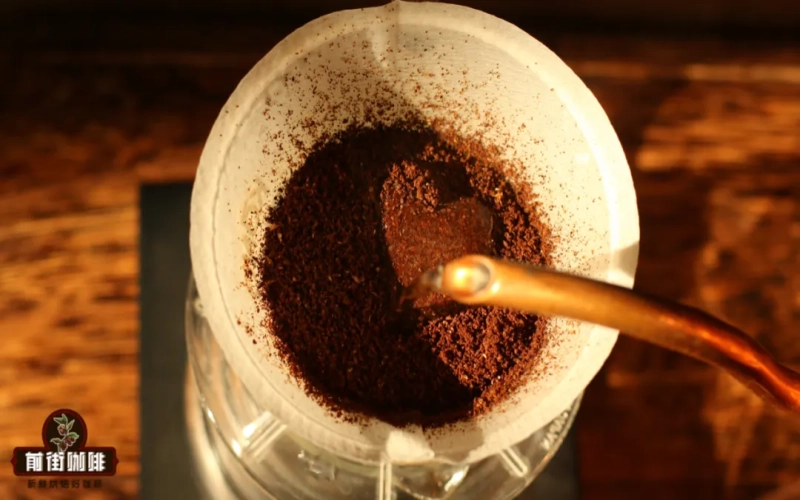
What changes do adding mint, honey, osmanthus, and salt to pour-over coffee each bring? A practical guide to flavoring ingredients for single-origin coffee
After getting used to that daily cup of pour-over, people inevitably start to wonder: can you add something to coffee and, without ruining its original flavors, get a completely new drinking experience? In fact, pour-over coffee doesn't have so many hard-and-fast rules—adjusting it to your own taste preferences is perfectly fine. There are all kinds of ways to add ingredients to pour-over online, and today we'll talk about the four most popular ones—mint, honey, osmanthus, and salt. What kind of coffee beans does each pair best with? How much should you add? And how do different roast levels produce completely different results? Drawing on specific brewing examples, Front Street Coffee will explain once and for all how to use these four ingredients, offering some new ideas for friends who are tired of conventional pour-over. [more…]

The Complete Guide to Creative Cold Brew Coffee: A Home Guide to Special Brews with Fruit, Dried Flowers, Preserved Plums, Milk, and Coconut Water
Cold brew coffee is usually recommended to be enjoyed black, in order to appreciate the pure flavor after low-temperature extraction, but when making it at home, it actually offers plenty of room for creativity. Front Street Coffee has put together five hidden ways to drink it today: adding fruit, dried flowers, preserved plums, milk, or coconut water — each one gives cold brew a completely different personality. Beans suitable for fruit cold brew include natural-process Huakui, washed Fruit Punch, Strawberry Candy, Sidra, and Kenyan Cherry Tomato; when choosing fruit, pay attention to whether it can withstand long soaking and whether its aroma is compatible — Kyoho grapes, white peaches, lychees, strawberries, cherries, and sweet oranges are all good choices. As for dried flowers, osmanthus, jasmine, and rose pair best with light-to-medium roast beans that have floral and fruity notes. Preserved plums and nine-process dried tangerine peel can bring a complex aroma with salty-sour notes and a sweet aftertaste. Milk cold brew comes in two forms: direct soaking and mixing in fresh milk. Coconut water mixed with cold brew at a 1:1 ratio is refreshing and cooling. [more…]

Analysis of Floral Coffee Bean Producing Regions: Flavor Causes, Roasting Impact, and Front Street Coffee Picks
In the world of specialty coffee, floral notes are a delightful flavor highlight. They break the stereotype that coffee is only bitter and not aromatic, delivering a fresh and elegant drinking experience. Common floral notes in coffee mainly include white-flower types such as jasmine, coffee blossom, and magnolia; pink sweet aromas like rose and tea rose; and slightly pungent, muted fragrances such as osmanthus and chamomile. These floral notes are not accidental—they are closely tied to a coffee's origin, variety, processing method, and roast level. Understanding these patterns allows you to more precisely select beans with floral notes. This article starts with floral note types, their causes, and the influence of roasting, and recommends several representative floral beans from Front Street Coffee to help you easily find the cup you love. [more…]

Fruity and Floral Specialty Coffee Recommendations | Which Coffee-Producing Regions Are Most Likely to Yield Fruity and Floral Flavors? How Do Single-Origin Coffee Beans Develop Fruity and Floral Notes?
In the flavor universe of specialty coffee, floral notes are the most enchanting "hidden Easter egg"—they lift coffee out of the stereotype of bitterness and add a fresh, elegant layer of complexity. That said, the types of floral notes that appear in coffee are actually not that many, usually white floral notes dominated by jasmine, coffee blossom, and magnolia, along with rose [more…]

Cold Brew Coffee Bean Recommendations | How Should Coffee Beginners Choose Coffee Beans for Making Cold Brew? Which Is Better for Cold Brew Coffee: Single-Origin or Blend Beans?
A while back, Front Street Coffee shared a guide on how to make cold brew coffee, and after that, a lot of readers started asking in the comments how to choose beans for cold brew. So today, let's break down and answer that question. As a low-temperature immersion extraction method, the longer the brew time, the fewer the types of acidic compounds present, which is why cold brew's acidity [more…]

How to Choose Floral Coffee? From Geisha to Mozart, Front Street Coffee's Guide to the Flavors and Brewing of Five Floral Coffees
Can you really taste floral notes in coffee? It's not an illusion. Different origins and processing methods give coffee a range of aromas, from white florals and jasmine green tea to rose sweetness and even chamomile and osmanthus. This article organizes five representative floral coffees from Front Street Coffee by aroma type: the white florals of Panama washed Geisha, the jasmine and green tea notes of washed Yirgacheffe, the rose and raisin tones of Strawberry Candy, and the chamomile and osmanthus aromas of Mozart and Gold Label Geisha. It also explains when floral notes are easiest to perceive—during grinding, blooming, and the medium-to-low temperature stages—to help you compare and taste more accurately. [more…]

Cold Brew Coffee Brewing Steps | What Water to Use for Cold Brew Coffee? How to Choose Single-Origin Beans for Cold Brew Coffee? What Is the Coffee-to-Water Ratio, Time, and Grind Size for Making Cold Brew Coffee?
For more specialty coffee knowledge, please follow: Front Street Coffee (Frontsteet Coffee). A while ago, Front Street shared a guide on how to make cold brew coffee, and afterward many readers started asking in the comments how to choose beans for cold brew. So today, let's analyze and answer this question together. [more…]
How to Choose Coffee Beans for Cold Brew? From Roast Level to Processing Method, Front Street Teaches You to Lock in Your Ideal Beans by Flavor
Cold brew coffee, through its low-temperature slow extraction process, reduces the presence of acids and the volatilization of aromas, resulting in a fuller, more balanced flavor. But with such a dazzling array of coffee beans to choose from, how should you make your selection? This article analyzes the cold brew performance of different beans one by one, from floral and fruity profiles to specific flavors to medium-dark roasts, and recommends specific products such as Front Street Coffee's Little Tomato, Front Street Coffee's Huakui, and Front Street Coffee's PWN Golden Mandheling. In addition, it shares a tip for adding dried flower petals, giving cold brew coffee a delicate floral note within its single-origin flavor. Whether you prefer bright fruit acidity or the rich depth of chocolate, you can find a cold brew bean solution that suits you. [more…]
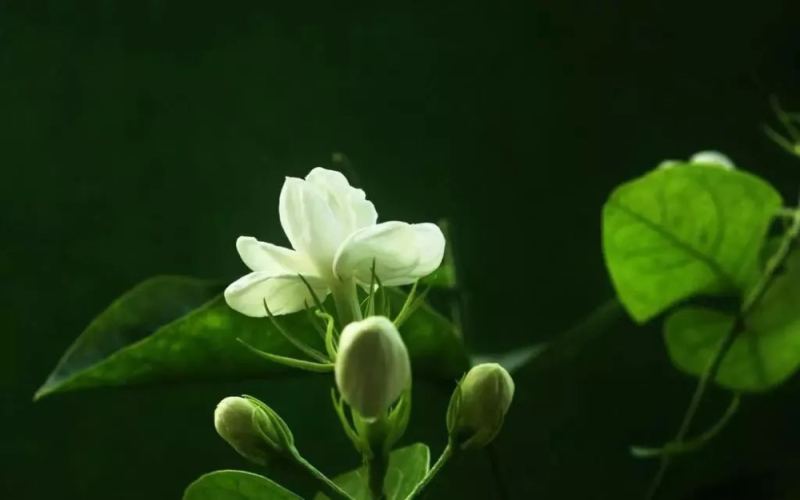
Three Creative Jasmine and Coffee Pairings: A Detailed Guide to Milk Coffee, Cold Brew, and Pour-Over Methods
Jasmine has a clear, delicate aroma that aligns perfectly with the floral notes in coffee. Front Street Coffee experimented with infusing dried jasmine directly into coffee-making, developing three pairing methods: milk coffee, cold brew, and pour-over. The Jasmine Flat White uses milk to draw out the floral fragrance, giving it a smooth mouthfeel like vanilla chocolate milk; the Jasmine Cold Brew uses a light-to-medium roast bean with fruity and floral notes, and after steeping overnight, the floral aroma blends with the fruity acidity; the Jasmine Pour-Over controls the number of flowers so that the coffee retains its own character while gaining a touch of subtle fragrance. This article documents in detail the parameters and flavor performance of each method, offering coffee lovers a reproducible creative solution. [more…]

Is Cold Brew Coffee High in Caffeine? A Health Guide to Brewing Methods and Shelf Life
Cold brew coffee has gained much popularity in recent years, but many people wonder whether its caffeine content is on the high side, how to brew it more healthily, and how long it can be stored. This article will start from the principles of caffeine release, explain why cold brew coffee has a relatively high caffeine content, and introduce a simple and easy cold brew recipe in detail. At the same time, Front Street Coffee will recommend coffee beans suitable for cold brew based on different needs such as floral and fruity notes, specific flavors, and medium-dark roasts, and share the clever idea of adding dried flowers to enhance the flavor, helping you make a cup of full-bodied, well-balanced iced coffee. [more…]

Cold Brew Coffee | How long can homemade cold brew coffee be stored? What is the flavor and mouthfeel of cold brew? Single-origin coffee bean recommendations for a cold brew with pronounced fruity sweetness
Cold Brew Coffee is exactly what it sounds like. Put ground coffee into room-temperature water, let it steep and extract for 12 hours, then filter out the grounds—what's left is cold brew coffee. Compared with regular hot-brewed coffee, it has a noticeably stronger coffee taste, less bitterness, and a smoother mouthfeel. [more…]
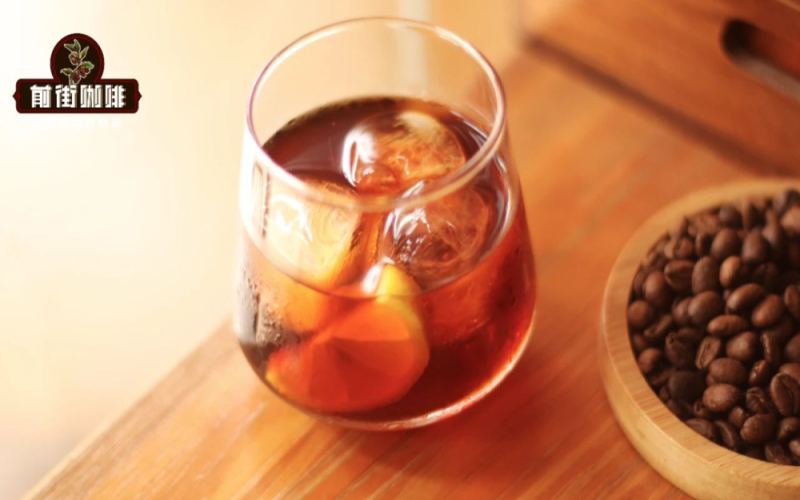
Cold Brew Coffee DIY Guide: Brewing Ratios, Storage Duration, and Health & Flavor Benefits Explained
Want to make refreshing, delicious cold brew coffee at home? The internet is full of recipes, and beginners often get overwhelmed by all the conflicting advice. This article starts with the basic principles of cold brew, explains how it fundamentally differs from hot-brewed coffee, and covers the recommended coffee-to-water ratio, steeping time, and optional cold drip equipment. We'll also explain why cold water extraction produces coffee with less acidity and bitterness and more sweetness and floral notes, and recommend three coffees ideal for cold brew — Front Street Coffee Butterfly, Front Street Coffee Natural Red Cherry, and Front Street Coffee Mozart — to help you choose beans without pitfalls and easily make a clean, bright cup. [more…]
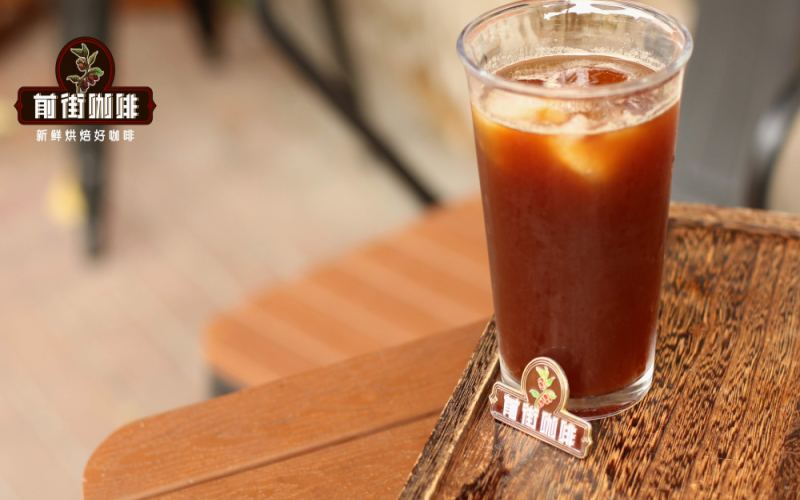
Cold Brew Coffee Specialty Bean Recommendations | What Is Cold Brew Coffee? The Extraction Principle Differences Between Cold Brew Coffee, Iced Americano, and Hand-Brewed Iced Coffee
For more specialty coffee knowledge, please follow our WeChat official account: Front Street Coffee (FrontStreet Coffee). Iced Americano and cold brew coffee can be said to be the two best-selling items in coffee shops during summer, but there is a very big difference in price—cold brew coffee is usually twice the price of an iced Americano! Similarly, [more…]

How to Make Cold Brew Coffee? Shelf Life and Flavor Characteristics, with Four Front Street Coffee Bean Recommendations
Cold Brew Coffee is made by steeping ground coffee in room-temperature water for about 12 hours, then filtering out the grounds to obtain the coffee liquid. Compared with conventional hot brewing methods, its coffee flavor is more concentrated, less bitter, and smoother on the palate. However, the longer cold brew sits, the more pronounced its fermented aroma becomes, so the taste you get each day will vary. Front Street recommends drinking it within 3 to 4 days. Although it sounds cumbersome, it is actually quite simple: steep the ground coffee in cold water, leave it in the fridge overnight, and filter out the grounds. In addition to explaining the key points of preparation, this article also recommends four Front Street Coffee beans suitable for cold brew, along with specific recipes and steps. [more…]